DUSKDOG: solitary survival on a frozen, malfunctioning surface
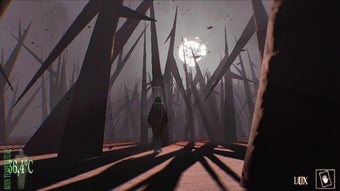
DUSKDOG, developed by ExoDive, casts players as a volunteer who returns to a frozen surface to survive and investigate a failing artificial sun. The game combines exploration, environmental hazards, and a mystery-driven narrative that ties light and cold to player choices. It presents third-person survival across an open-world of ice fields while emphasizing atmospheric discovery. Players who prefer slow-burn, story-rich indie adventures are the primary audience for this title.
What kind of experience does the surface deliver?
So, you step into Lika's boots and the setting itself becomes the central tension: an exposed wasteland lit by a malfunctioning artificial sun that blurs reality and dread. The game places survival and investigation at the same time, asking players to manage exposure while piecing together a dark origin story. The setup anchors player motivation to exploration and consequence, turning each decision about where to travel into a narrative beat.
Does the single-player design change how threats feel?
Thus, solitude is a design choice: the title is explicitly single-player, focused on the lone volunteer's journey, which makes environmental hazards feel like the antagonist. Dynamic threats center on extreme cold and limited light, forcing trade-offs between pushing farther for clues and returning to safety. Pacing depends on careful route selection and resource management, so runs can be tense and deliberately slow rather than frantic.
What does the game look and sound like?
The game uses Unreal Engine 5 to render a high-fidelity frozen world paired with a 1990s-inspired aesthetic, producing a mix of modern visuals and retro motifs. Lighting is mechanical and unreliable, which the soundscape echoes through sparse environmental audio and moments of stark quiet. Controller support is complete via the Steam Input API, and third-person presentation is tuned toward cinematic framing to keep visibility and atmosphere tightly coupled to play.
Is it approachable at first and why return to it?
New players face environmental systems that demand attention but also reward curiosity; progression comes from uncovering the planet's history rather than leveling or skill trees. Replay value comes from exploring different regions of the open world and discovering new narrative fragments. The developer's indie focus and over 10,000 wishlists indicate community interest, which suggests the game aims more at slow exploration than competitive or social modes.
A strong pick for mystery-minded explorers, with a deliberate pace
This game suits players who value careful exploration, atmosphere, and story over action-oriented play. Expect methodical sessions that emphasize exposure management and discovery; that pacing may frustrate those who prefer faster rewards or multiplayer interaction. For anyone seeking a solitary, narrative-led survival trip across stark terrain, this is a clear and focused offering.